
If you’ve ever had dentures, you can appreciate how much a part of your daily routine they become. They’re not only helping you chew or speak more clearly, though those are accomplishments in themselves to be remarked upon, but they also allow you to smile with confidence. So, when the inevitable occurs, whether it’s a crack, a break, or just a poor fit, it can be a blow. The good news? Denture repair is more common, cheaper, and overall less expensive than people realise.
In this article, you’ll understand what denture repair is really like, why they get damaged in the first place, and what occurs when you bring it in for repair. Whether you’ve got a full fracture or it’s simply something minor, this guide will have you educated on your options and smiling again in no time.
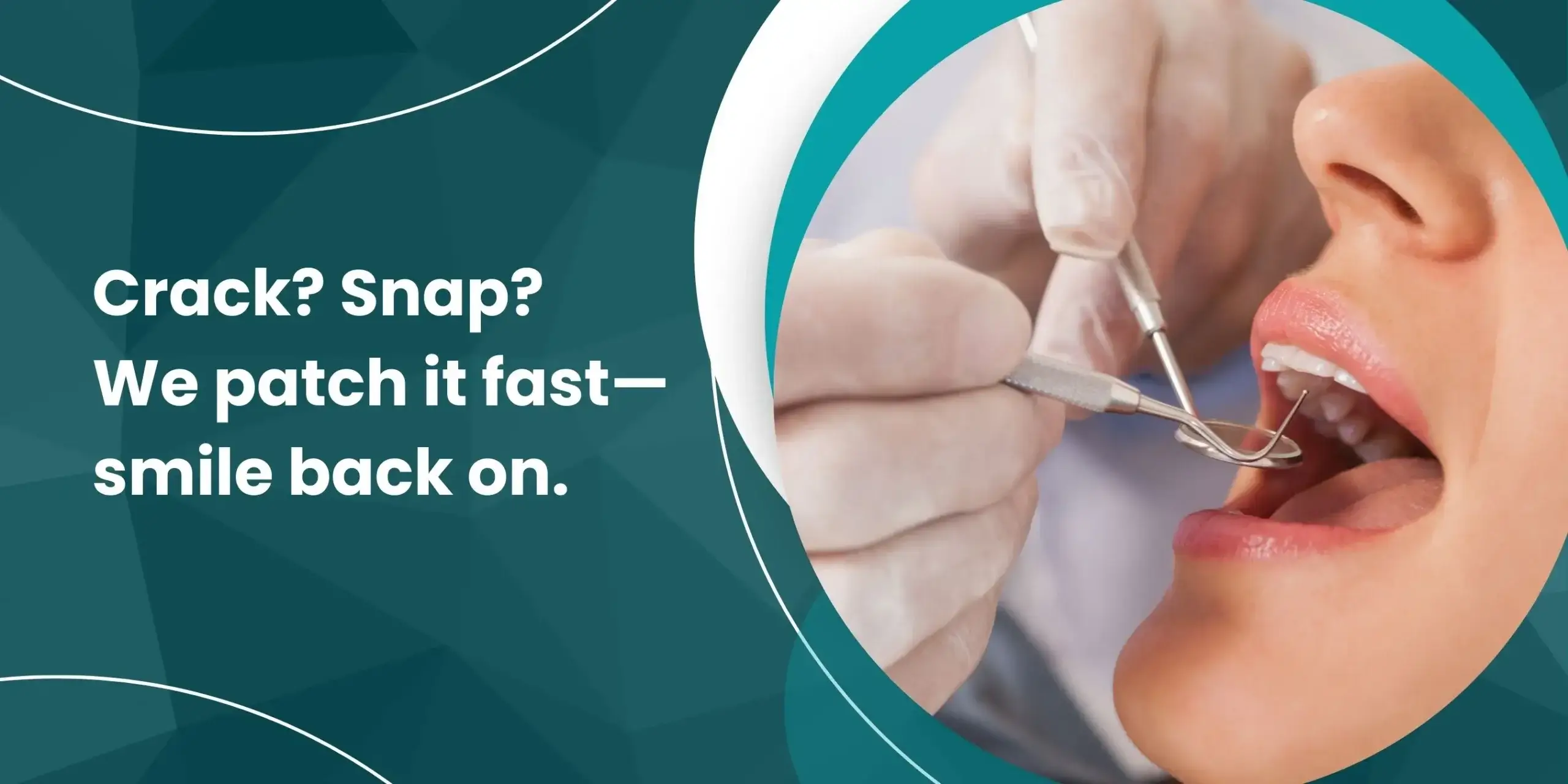
What Makes Dentures Damage?
Dentures are strong but not invincible. Over time, everyday wear and tear, accidents, or changes in the mouth may all affect the condition of dentures. Among the most frequent causes of damaged dentures are:
- Everyday Wear and Tear: Like glasses or footwear, dentures are subject to everyday use. Chewing, grinding, and acid from food wear them down over time.
- Accidental Damage: It is simple to crack or split your dentures by dropping them in the floor or in the sink.
- Poor Fit: If your dentures no longer fit because the gums have receded or your bones have been lost, they tend to slide, fall, or break.
- Poor Hygiene: Not cleaning them properly, or using the wrong cleaning solutions, can soften the denture material.
- Age: With age, material can deteriorate or lose shape and lead to cracking, warping, or structural weakening.
Types of Denture Repair
Not all denture repairs are the same. Depending on the type and extent of damage, a dentist can order one of the following:
1. Crack or Fracture Repair
This is the most common type of repair. Fractured teeth or broken base may be easily restored in the majority of cases with placement of a bonding agent or repair of the fractured segment. All of these may be treated on an outpatient basis in one day.
2. Tooth Replacement
If a chip occurs on an artificial tooth or it becomes worn, it is replaceable. The new tooth is accurately matched by dental technicians with the rest of the others by size, shape, and colour.
3. Denture Reline
The denture is good, but it doesn’t fit. A denture reline reshapes the base, so it fits more comfortably around your existing gum configuration. This enhances comfort and helps avoid slippage.
4. Denture Rebasing
Where the prosthetic teeth are satisfactory, but the acrylic base is worn or cracked, rebasing might be advisable. This involves replacing the base completely but keeping your current artificial teeth.
5. Emergency Denture Repair
Lost a tooth or snapped your denture at the eleventh hour when you were heading to a significant event? Many clinics offer same-day or emergency denture repair so you don’t have to show up smile-less when you should not.
What to Expect During the Denture Repair Process
If you’ve never repaired dentures, you might be worried about what to expect. The following is a sneak peek at what to expect:
Step 1: Assessment
The first thing that a dentist or dental technician will do is assess the damage. They’ll investigate whether it can be a quick fix or whether a more complex repair or adjustment needs to be done.
Step 2: Recommendations and Estimation of Costs
Once the issue is clear, you’ll be given a breakdown of repair options, how long it will take, and how much it might cost. Many repairs are more affordable than people think.
Step 3: Repair
If the fix is simple, the dentist may be able to perform it in his office during your appointment. If it’s more involved work, they can send the dentures out to a lab. Fixing will be an hour to a few days, depending on how much is being done.
Step 4: Fit and Finish
When your repair is finished, your dentures will be tried in for fit and comfort. If a reline or adjustment was performed, they’ll make sure everything is correct before discharging you from the clinic.
Step 5: Aftercare Instructions
They’ll teach you how to look after your freshly repaired dentures, how to avoid future damage, and when to return into the clinic for follow-up appointments.
How to Avoid Future Denture Damage
Your fix will get you back to normal, but a couple of small habits will save you from future trouble:
Handle carefully: Clean your dentures in the sink and have a towel or water in the sink ready to catch any dentures that fall.
Store your dentures properly: Store your dentures in a safe, clean place when not in use, ideally in water or denture solution.
Avoid the hot water: Hot water can alter the shape of your dentures.
Schedule regular dental visits: Check-ups will catch problems early, before they become costly repairs.
Don’t ignore discomfort: If your dentures don’t fit well, don’t hesitate. A small adjustment today can prevent a crack tomorrow.
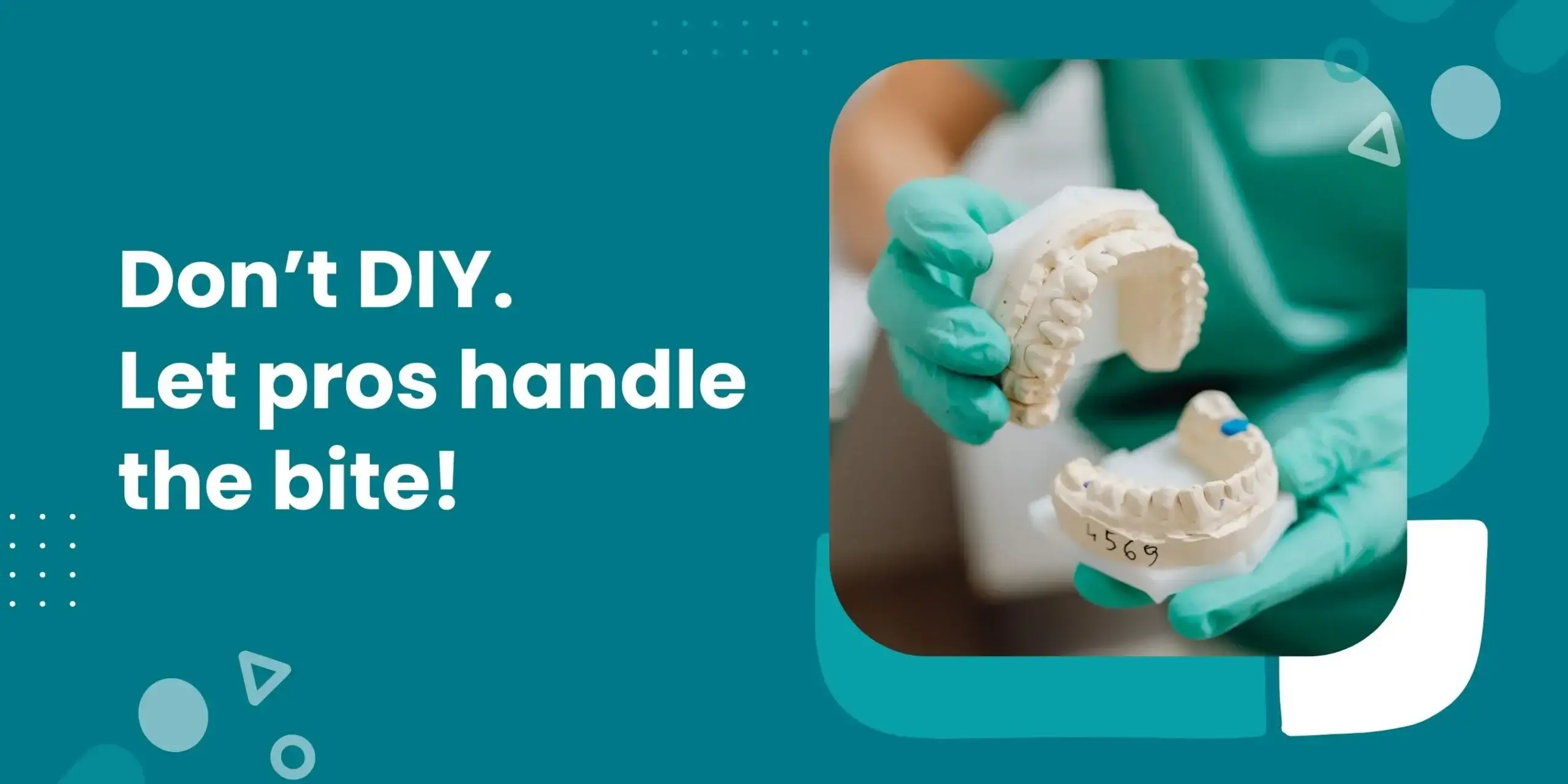
DIY Denture Repairs: Are They a Good Idea?
You might feel tempted to glue your dentures together with superglue yourself at home, but it is often not the best solution. Most do-it-yourself adhesives, as well as superglue, are not meant to be used in the mouth and could even be damaging. Sometimes attempts at repair on your own could actually make professional repair more difficult or even prevent it.
If your dentures are damaged, it’s best to visit a dental clinic that specialises in denture repairs. You’ll save time, money, and your smile.
Is Denture Repair Covered by Insurance?
This will depend on your policy and health fund. Private health funds also cover the cost of denture repairs in some of their broader dental or prosthetics plans. Ring your provider. Even if not fully covered, payment plans or low-fee repair charges are usually offered by most clinics to make it affordable.
When Is It Time to Replace, Not Repair?
Although most issues can be addressed, there will eventually come a time when it will be more economical to invest in a new set. If your dentures are older than 5–7 years, no longer fit even with adjustments, or have been replicable multiple times, your dentist may recommend a full replacement. It is a case of weighing comfort, function, and long-term cost.
Conclusion
Your dentures are a part of your life. When they break, splinter, or no longer fit, it’s more than a little inconvenient. But thanks to the expert advice of the right people and a bit of gentle care from sympathetic pros, denture repair can fix your smile and your confidence in the blink of an eye, safely and securely.
At Mia Dental, we acknowledge how precious and personal your dentures are to you. We have a friendly staff here willing to make our repair process quick, affordable, and hassle-free. From the emergency fix to a full relined denture, we utilise the best tools and state-of-the-art techniques to offer service at its highest level.
Call Mia Dental today or drop by for a visit. We’ll put you in a smile, one repair at a time.


